Sunday, 25 December 2016

'I don’t know where my grandson will grow up if this land is lost': Environmental Change and Displacement

It is almost certain that climate change will compromise the global human ‘carrying capacity’, and will force mankind to redraw coastlines, alter where we grow food and find water, and will expose us to harsher and more extreme weather conditions in many parts of the world.  In this post, I will summarise the various forms of displacement by looking at some of the most affected areas and indigenous communities.

Alaska

As I mentioned in previous posts, rising sea levels, commercial hunting and anthropogenic contaminants have all impacted food security, livelihood and culture of Alaskan indigenous groups. Since 1974, temperatures across Alaska have increased by around 2 to 3.5 degrees Celsius, causing sea ice extent to decrease and permafrost to thaw.

Shishmaref is another Inupiaq community located on an island just south of the Arctic Circle. In 2002, residents voted to leave the island due to melting sea ice and major erosion from melting permafrost.  However, the community eventually realised that they did not have the resources to relocate, and a 2006 study confirmed that this could cost up to $200 million. Dozens of indigenous Alaskan communities are facing similar circumstances and are at risk of having to relocate, as stronger storms are eroding the land on which they are situated. The only option is to migrate, as there is no higher ground to relocate to.

Pacific Islands

The Pacific Islands consist of 22 countries, with 7500 islands between them. Approximately 300 of these are inhabited, with the total Pacific Islands population reaching over 9.2 million. These countries can in some ways be regarded as indicators for the early impacts of climate change. Despite being responsible for only around 0.006% of global greenhouse gas emissions, Pacific Island states often experience the most serious consequences of the practices of developed countries.

Since 1950, the number of natural disasters has increased. Droughts, coral bleaching, and salination of soils have also increased, as a result of both climate change and other anthropogenic environmental damage. Rising sea levels not only threaten coastal zones, potentially creating the first climate refugees, but also the way of life and national identities of Pacific peoples.

The Republic of Kiribati has one of the highest poverty rates of the Pacific Islands, and is believed to be one of the most vulnerable nations to climate change. Water supplies are expected to have been reduced to an insufficient level by the mid-21st century, and the island is at risk of disappearing altogether. In 2005, President Anote Tong acknowledged that migration may be the only option and that other forms of adaptation may be too late.

Sea ecosystems which are essential for the livelihoods of many Pacific Islanders are likely to be severely disrupted by the loss of coral reefs. Coral reefs are home to approximately one million species and provide a critical food supply. In Palau, a nation in the Western Pacific, over one-third of coral reefs have been destroyed due to warming events and coral bleaching. Since witnessing these events, Palau has played a fundamental role in raising international awareness and has worked towards conserving vast swathes of near-shore marine resources and ban the destructive bottom trawling practice.

Bangladesh

‘I respect the scientists as they are wise and there must be truth in their words. I know very little about all this climate change or global warming, and few in my community understand it well. But we are already facing the true nature of these changes. I don’t know where my grandson will grow up if this land is lost.’- U-Sa-Chi-Master, head of the Kansai Na Pyo Roa (a minority Rakhain village in South Bangladesh)

Bangladesh is renowned for its vulnerability to climate change and rising sea levels. In fact, in terms of the number of people likely to be affected, it is the world’s third most vulnerable country to sea-level rise. Food and water supplies will be jeopardised by an increase in salinity around coastal areas, and it is expected that food shortages will result in a large number of internally displaced people.

'Adivasi' is a term which includes all the Indigenous peoples of South Asia. The Adivasi tribal communities of Bangladesh, including the Garo, Santal, Chakma and tribes in the Chittagong Hill tracts, are particularly vulnerable to displacement due to environmental change. Much of their ancestral land has been lost to encroachment by settlers, and so many Adivasi groups are confined to the more drought-prone areas.

Colombia

As we have seen with the Batwa, indigenous peoples are sometimes displaced to make way for seemingly 'good' initiatives, such as conservation projects.  Along with other biofuels, oil palm has sometimes been heralded as a more ‘eco-friendly’ alternative to fuel and part of the solution to climate change. Oil palm, in particular, has become one of the fastest growing monocultures in the tropics, which raises the issues of habitat destruction and depleting biodiversity. However, the production of these crops can have devastating consequences on forest-dwelling indigenous peoples and other minorities.

Colombia is home to 92 indigenous groups but also has the world’s second largest number of internally displaced peoples. These communities have endured massive displacement at the hands of paramilitary groups who take over indigenous lands to grow oil palm. Abuses in relation to the planting of these biofuel crops include forced evictions, denied lands rights, higher disease prevalence and an increase in exploitative relationships between forestry officials and indigenous people. Similar situations occur in Argentina, Brazil, and Indonesia, due to an increasing demand for biofuels in a somewhat contradictory effort to combat climate change.

Summary

Since 1990, the IPCC has put forward that human migration may be the most significant impact of climate change. By 2050, as many as 200 million people could be displaced due to disruption in monsoon changes in addition to other changes. However, in our search for strategies to fight climate change and biodiversity loss, we can cause further displacement of indigenous peoples, highlighting the delicate balance between combatting environmental issues while maintaining human rights and wellbeing.

Wednesday, 21 December 2016

Food security: A summary

Environmental change poses a severe risk to indigenous food security. For generations, indigenous peoples have relied on a diverse range of fungi, plant and animal species for food and medicine. As ecosystems have been exploited, the availability of these resources has greatly diminished. Pollution, disease and introduction of invasive species has further hampered the productivity of the ecosystems that remain. These traditional foods not only provide irreplaceable sustenance but also have a cultural importance in terms of ceremonies, harvesting, processing and sharing of these resources.

A Brazilian Awa family go on a gathering trip

Winter sea ice is rapidly disappearing as a result of climate change, threatening food security for Arctic indigenous communities. As we have seen with the Inupiat, traditionally hunted species such as the bowhead whale are becoming less available due to population declines or range shifts. Other key species such as walruses are declining due to this loss of habitat, and the Athabascan peoples in central Alaska have also observed changes in moose habitat and health.

Lynn et al. have conducted research on the impact of climate change on traditional Native American and Alaskan foods. In Wabanaki culture, berries are important indicators of ecosystems health and services, and guide the timing of activities such as wild plant gathering, hunting and fishing. For examples, the blossoming of the shadbush in early spring used to coincide with the spring migration of the shad fish. This would alert the Wabanaki people that it was time to move to the low lands, but environmental and climatic changes have begun to impact the range and abundance of these berries. In the Amazon basin, fish are an important and diverse food resource for indigenous populations. The life cycles of fish closely follow the seasonal river flooding cycle. Flooding in the southern regime of the Amazon River has not been sufficient since 1999, with dire consequences on fish reproduction.

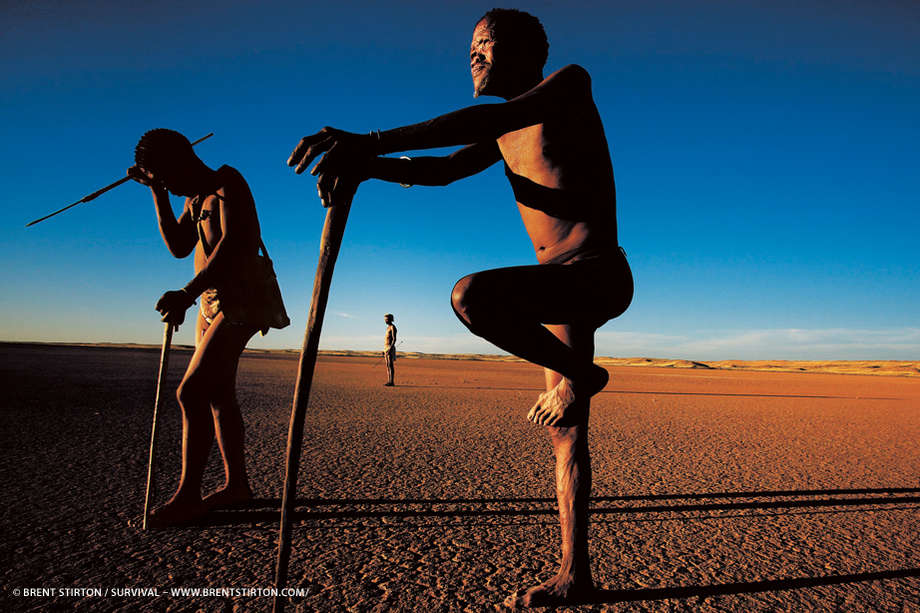
Bushmen in Botswana

Indigenous peoples are proactively seeking ways to adapt to the changing environment. One method is to diversify the resource base, by planting or farming different species with varying susceptibility to droughts or floods, and supplementing this with wild foods. For example, in the Kalahari Desert, changes in precipitation have encouraged a shift from cattle to goats, and manually watered gardening instead of rain-fed crops. Harvesting techniques are also changing. The Gitga'at of British Columbia traditionally sun-dry food, but because of an increase in unusually wet spells, they are beginning to freeze food or dry it indoors more often.

Summary

In terms of food security, indigenous peoples are the first to experience the effects of environmental change. However, throughout history, indigenous knowledge has adapted to such changes and is continuing to adapt. Knowledge already exists within indigenous communities to cope with adverse conditions such as flooding or droughts. Nevertheless, it is the novel layer of political and economic marginalisation which threatens indigenous life and makes indigenous peoples today more vulnerable to environmental change.


Thursday, 8 December 2016

Kayaktivism at COP13


The thirteenth session of the Conference of the Parties to the Convention on Biological Diversity (CBD) began on Sunday in Mexico, and will continue until the 17th of December. The CBD came into force in 1993, and is a legally binding agreement between 193 parties on the sustainable use and conservation of biodiversity.

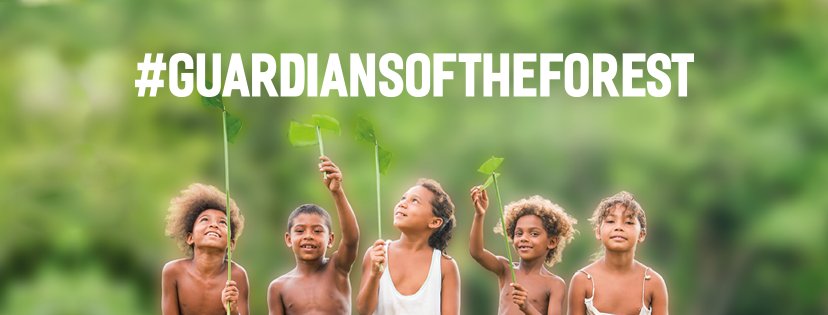
The main focus in Mexico this year will be the implementation of the CBD's strategic plan and to negotiate agreements towards meeting its Aichi targets by 2020. Around 10,000 participants will meet in Mexico this year, including representatives of indigenous groups. Last year, a 'floating protest' was held by indigenous delegations at COP21 to demand respect for indigenous rights, voices and knowledge at the conference. The video below provides a summary of the event, and the ideas behind this form of demonstration. This year at COP13, the 'kayaktivism' will continue on the 11th of December, to raise awareness of their role as guardians of the forest. You can follow the action on twitter with the hashtags #GuardiansOfTheForest and #GuardianesDelBosque.

Sunday, 4 December 2016

Success for the Standing Rock Sioux Tribe

You Are On Indian Land

I'm quite ashamed that it's taken me this long to write about the Dakota Access Pipeline; it's been on the cards for a while but I haven't been able to properly construct my thoughts into a post. Although it was necessary to emphasise the fact that indigenous groups are on the front line of environmental change, I feel the need to change tone and talk about indigenous resilience. The recent news that the permission for the oil pipeline to cross Lake Oahe has been rejected by the US Army of Engineer Corps is the perfect example of this.

Facebook newsfeeds and twitter timelines have been awash with the hashtag #NoDAPL for quite some time now- but what is it all about? The Dakota Access Pipeline is an oil pipeline that has been proposed to cross four states, passing through Illinois, Iowa, South Dakota and North Dakota. If approved, it would have passed under the Missouri river and Lake Oahe- half a mile upstream of the Standing Rock reservation, home to the Standing Rock Sioux Tribe, and near sacred burial sites. The protests largely revolved around the estimation that oil could contaminate the tribe's water source within hours, if a spill were to ever happen.

Oil spills resulting from inland pipelines in the U.S are not unheard of. In 2010, a pipeline rupture released around 1.1 million gallons of crude oil into Michigan's Kalamazoo River. It was one of the largest inland oils spills recorded in U.S. history, with long term effects on the environment, and by 2014, 1.2 billion dollars had been spent on clean up operations. People have been gathering at Standing Rock since April, when the pipeline proposal was first announced, to prevent such a catastrophe happening at a sacred site. Events escalated in August, when construction began, and the #NoDAPL movement gained traction around the world. However, yesterday, news spread that easement for the pipeline to cross Lake Oahe will not be granted.


Despite the victory, the fight is not over. While the pipeline will not pass under Lake Oahe, the Corps will be 'undertaking an environmental impact statement to look at possible alternative routes'Further adding insult to injury, during the negotiations in Paris, the U.S. committed to cut greenhouse emissions to 26%-28% below 2005 levels by 2025. According to research by Greenblatt & Wei, this target is unlikely to be met without extra greenhouse gas reduction strategies, even if all proposed policies are implemented. Potentially building a 1172 mile oil pipeline, while simultaneously undermining indigenous rights in the process, doesn't seem to be the way to meet this target. Nevertheless, with the president elect once claiming that global warming is a hoax invented by the Chinese, and neither presidential candidate mentioning the Dakota Access Pipeline in their campaigns, the success and willpower of the Standing Rock tribe represents an even greater achievement.

"We especially thank all of the other tribal nations and jurisdictions who stood in solidarity with us, and we stand ready to stand with you if and when your people are in need."- Standing Rock Sioux Tribal Chairman Dave Archambault II

Saturday, 26 November 2016

Spotlight: The Batwa of Uganda


In Uganda, over 80% of the population is dependent upon rain-fed agriculture, so will be hit hard by changes in climate, particularly precipitation. Yet, it is economically underdeveloped with a severe strain on healthcare resources. However, again, this vulnerability is not evenly distributed. The Batwa are an Indigenous people located in the southwest highlands of Uganda, and are a group particularly sensitive to climate change as a result of their marginal social status and livelihoods reliant on natural resources.

Conservation Refugees

There are around 6700 Batwa across three districts in southwest Uganda. During the 1990s, the Batwa were forcibly evicted from the forest to make way for conservation projects, including the Bwindi Impenetrable National Park. The mountain gorillas of Bwindi once shared the forst with the Batwa, who had lived there for more than 4000 years.

Image from United Organisation for Batwa Development in Uganda

The Batwa have never hunted the apes, but as the gorillas are so closely related to humans, the existence of Batwa in the forests could increase the risk of infections being passed from humans to the animals. The Batwa were therefore evicted from their ancestral home in 1991, when the National Park was announced, with no land rights or compensation. The dislocation resulted in the removal of access to traditional foods, shelter and medicinal resources, and rendered the Batwa low in health and socioeconomic status when compare to the rest of the population.

Climate Change in Uganda

It is difficult to predict how climate change will materialize in Uganda due to a lack of scientific monitoring. Uganda's current climate is equatorial, with humid and hot condition throughout the years, and two rain seasons. However, it is likely that Uganda will face unpredictable rainfall and warmer temperatures, and increased extreme weather events including droughts, floods and heat waves. The frequency of droughts has already increased, with seven droughts in Uganda between 1991 and 2000, and increases in floods has led to outbreaks of waterborne diseases. Agricultural yields will be reduced as a result of climate change, as well as increased water stress, with potentially severe impacts on coffee- Uganda's most lucrative export crop.


Effect of temperature increase on Uganda's coffee crops

In the Kanungu District, Patterson et al. found that 97% of Indigenous households are severely food insecure. The Batwa are already vulnerable to seasonal variation, and this variation will only increase as the environment changes.

However, over the last few decades, the Batwa have improved significantly in wellbeing and have an extensive history of resilience. I found it interesting to read that the Batwa consider climate change to be a minor threat- perhaps because the economic and social determinants of wellbeing are more pressing at the moment. Additionally, households with secure land tenure are more optimistic about the state of their future. I have spoken about the benefits of Indigenous land rights before in regards to climate change mitigation, but land tenure security also has a significant impact on Indigenous health. Child mortality (under five years of age) was 41% lower in Batwa households with land compare to those with land, demonstrating that land ownership needs to be integral to future interventions.

Friday, 18 November 2016

Spotlight: Aboriginal Australians

Aboriginals are believed by archaeologists to have arrived in Australia approximately 45,000 years ago. However, since colonisation by the British in the eighteenth century, Aboriginals have been discriminated against and made to face terrible conditions, increasing their vulnerability to environmental change. In this blog, I will discuss how two dimensions of environmental change- the introduction of alien species, and climate change- have affected Australia's indigenous population.

Introduced species

Invasive species are one of the major threats to biodiversity. In Australia, numerous animal and plant species have been introduced as a result of colonisation by the British. Aside from their potential negative impacts on native flora and fauna, rejection of alien species by indigenous peoples also arises from them being representative of European dispossession. However, in many cases, introduced species have been embraced within Aboriginal traditions. Cats and rabbits are now incorporated into Aboriginal diets, and horses and cattle are significant in Aboriginal pastoral industry. In his paper on Aboriginal reactions to introduced species, David Trigger puts forward the case that some species are now utilised by indigenous peoples, and have even been admired by Aboriginal writers and artists.

One of the introduced species that has not been so warmly welcomed is the cane toad. The cane toad can grow up to 23cm, and produces toxins not found in native Australian amphibians. Over 3000 toads were introduced to Australia from Hawaii in 1935 as a biological control of sugar cane pests in north eastern Queensland. They can affect native species through predation and competition, but by far the largest impact is lethal toxic ingestion. The native predators have no evolutionary history of adapting to the toxins that cane toads possess, so the toxin often has fatal effects when the toads are eaten.

Cane toads are viewed as pests by indigenous people. At first, many Aboriginals were afraid of drinking the water where cane toads were found, out of fear that the toxin would leach into the water. In Seton & Bradley's case study on the impact cane toads have had on Aboriginal Yanyuwa culture, stress and depression were found to be prevalent among women, as their search for traditional prey including goanna and blue tongued skink results only in the inedible cane toads. They have also expressed sadness that Aboriginal songs referencing animals no longer reflected the world around them, as those species had been driven out by invasives. 

Climate change and aboriginal health

Following colonisation, Australia's indigenous people were devastated by diseases brought over with the colonisers, and dispossession took its toll on both physical and mental health. Even now, inadequate or inappropriate medical services and housing means that Aboriginal communities suffer disproportionately when it comes to physical health and mental wellbeing. In fact, whilst Australians overall have some of the best health conditions in the world, the indigenous community of Australia are among the least healthy when compared to indigenous populations of similarly industrialised nations.


Climate change is likely to further the disparity in health between indigenous and non-indigenous Australians. By using extremes indices, Alexander and Arblaster have created future projections until 2099. Their research indicates a likely increase in warm nights and heat wave duration. As you can see, precipitation-based indices tend to have more noise than the temperature-based indices, but there is clearly an increase in both consecutive dry days and very heavy precipitation contribution. Therefore, longer dry spells can be expected, culminating in heavy precipitation events.
Future projections of extremes indices between 1870 and 2099


Australia is home to unique and endemic wildlife, and its ecosystems are susceptible to even subtle changes in climate. In one survey by Rigby et al., Aboriginal participants already felt that drought-related loss of flora and fauna has had an impact on seasonal work, resulting in an increased reliance on government income support. This has led to feelings of guilt and grief, a lowering of self-esteem, and an increase in alcohol abuse.

In hot, dry conditions, like those predicted by Alexander and Arblaster, diseases such as bacterial diarrhoea tend to increase. Also, an increase in temperature may cause a spike in Dengue fever. Although the virus is not endemic in Australia at the moment, there have been occasional epidemics in northern Queensland, which could be exacerbated by environmental changes.

Indigenous health appears to have been let down by medical school curricula so far, and indigenous preventative health care, in particular, needs to be in increased in Australia as the climate changes. However, many adaptive strategies- such as Aboriginal health promotion programs and a revitalisation of Aboriginal arts to combat mental health issues- are taking place and will hopefully begin to close the gap in those most affected by climate change.


Sunday, 6 November 2016

Indigenous Land Rights and the Paris Agreement


On Friday 4th November, the Paris Agreement entered into force. Although most indigenous leaders around the world support the ratification of the Paris Accord, is has not always been smooth sailing.

The Paris Agreement offered the chance to secure respect for Indigenous peoples' rights and amplify their voices.  During the drafting stage, however, pressure from the United States, EU and Australia led to the recognition of Indigenous rights being moved from the legally binding text of the climate accord to the non-binding preamble, due to a fear of legal liabilities.


-Jorge Furagaro Kuetgaje, climate coordinator for Coica


This doesn't seem to make much sense. It is now widely known that the fight for Indigenous rights is closely intertwined with the issue of climate change, and indigenous communities play a crucial role in safeguarding our global environment. So, here are a few things from two reports (one published by the World Resources Institute in October, and another by the Rights and Resources Initiative a few days ago) that we now know about indigenous land rights in the context of climate change mitigation:

  • Average deforestation rates inside tenure indigenous lands in Bolivia, Brazil and Colombia were up to 2.8 times lower than outside tenured indigenous forests
  • Securing land for indigenous and traditional populations in these terrestrial tropical regions could keep up to 54,546 million metric tons of carbon out of the atmosphere
  • At least one tenth of the carbon stored in tropical forests is not formally protected
  • The benefits of securing indigenous lands in the Amazon basin outweigh the costs by the ecosystem services they provide. For example, in Bolivia, it has been estimated that tenure-secure indigenous lands can generate a net benefit of up to $10,784 per hectare.


This isn't necessarily news, however. In 2013, Nolte et al. published their findings that when deforestation pressure is high, indigenous lands have lower deforestation rates than both protected areas and sustainable use areas. Indigenous communities manage approximately 50% to 60%  of the world's land, but only 10% is legally recognised. Securing tenure for indigenous lands would affirm the status of indigenous peoples, and in many cases is fundamental to the cultural survival of indigenous and traditional communities. It is also relatively inexpensive climate change mitigation strategy with the preservation of ecosystem services resulting in economic gains.  The Paris agreement is the largest piece of climate change legislation to ever be enacted, but for Indigenous rights at least, the ratification signifies a missed opportunity.